Many organizations invest heavily in recruiting, developing, and retaining employees, but face problems when executives or key personnel leave, retire, or move to other positions because there is no one ready to immediately take over.
Some key positions impact not only the team but also directly affect strategic decision-making, customer relationships, operations, and business results. Without a contingency plan, a single change can have a wide-ranging impact if the organization lacks a plan to address it.
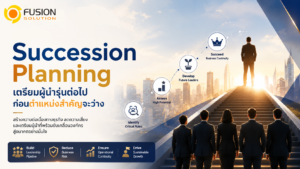
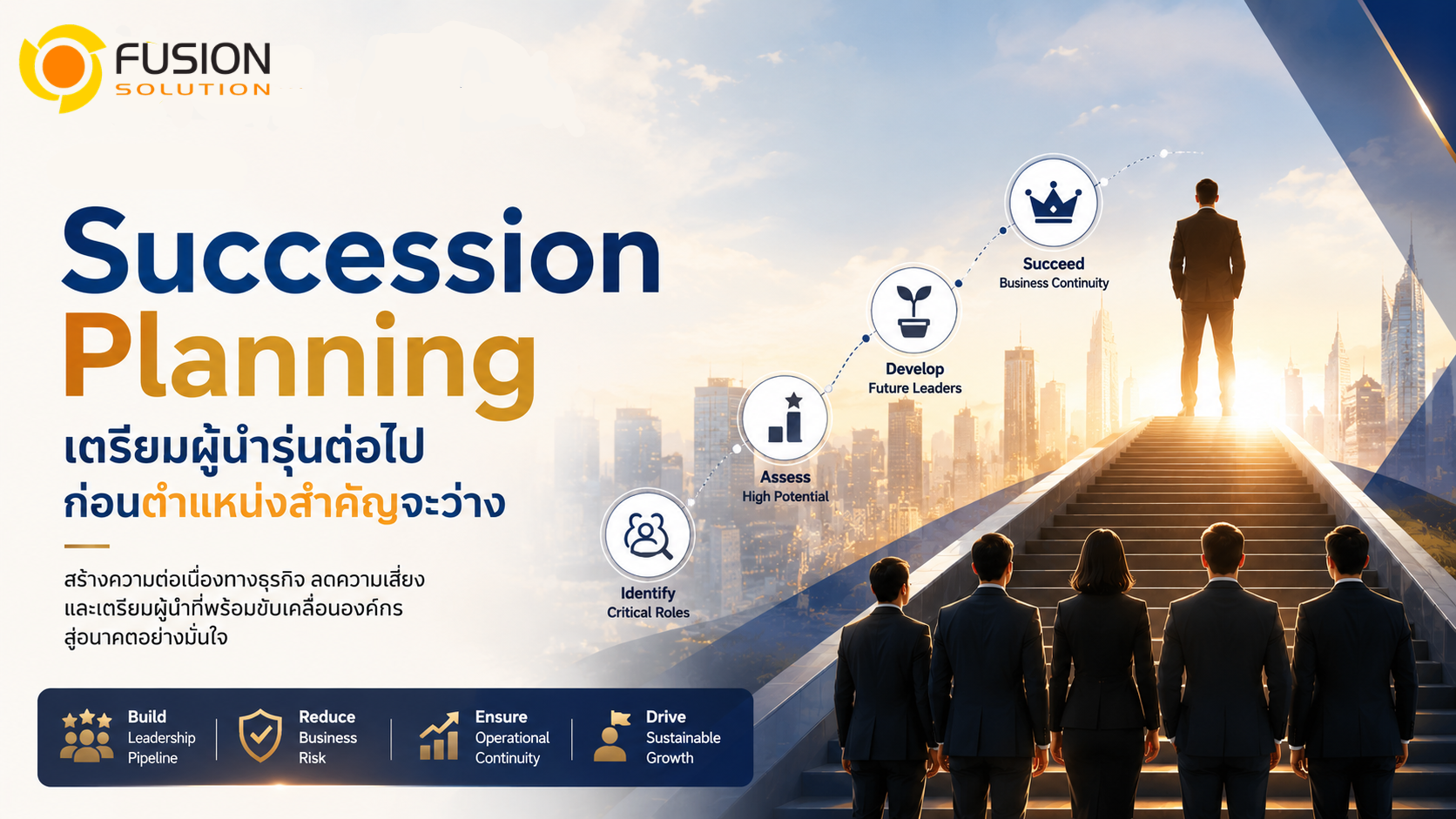
This is why many leading organizations prioritize Succession Planning, to ensure business continuity and prepare the next generation of leaders.
What is Succession Planning?
Succession planning is the process of identifying, developing, and preparing potential employees to fill key positions in the future when changes occur.
The goal of Succession Planning is not just to find replacements for vacant positions, but to create a Talent Pipeline that helps the organization have a workforce ready to grow in line with the long-term business direction.
In general, Succession Planning usually covers...
- Senior executives
- Managers and department heads
- Experts with specialized skills.
- Positions that affect business continuity.
Why is Succession Planning important?
Many organizations begin succession planning only after a problem has already occurred, such as a sudden executive resigning or a key employee deciding to leave the company.
But in reality, succession preparation should begin before the position becomes vacant, because leadership development is not something that happens in a few weeks.
Succession Planning helps organizations.
- Reduce the risk of losing key personnel.
- Maintain continuity of operations.
- Create a new generation of leaders systematically
- Reduce the cost of external recruitment.
- Support long-term business growth
Key elements of Success Planning
1. Critical Roles
Start by identifying positions that are critical to the organization. Not every position needs to be included in the succession plan.
2. Successor Identification
We seek employees with potential for growth and who are prepared for future roles.
3. Readiness Assessment
Assess the readiness of potential successors in terms of skills, experience, and leadership qualities.
4. Development Plan
Plan individual development to prepare for assuming a key position.
5. Talent Review
Monitor and evaluate periodically to ensure the plan remains aligned with business needs.

How do you know who the right successor is?
One common misconception is that the best-performing individual is automatically chosen as the successor.
While performance is an important factor, Succession Planning should consider even more, such as:
- Performance
- Leadership Potential
- Learning Agility
- Business Understanding
- Skills Readiness
- Career Aspirations
Because people who are skilled in their current roles may not yet be ready for future leadership roles.
How does Succession Planning differ from Replacement Planning?
Many organizations use these two terms interchangeably, but they actually have different goals.
Succession Planning | Replacement Planning |
Long term view | Short-term view |
Advance leadership development | Find a replacement when a position becomes vacant. |
Create a Talent Pipeline. | Solve immediate problems |
Connected to Career Development | Focus on immediate readiness |
Succession planning is therefore a strategic approach that helps organizations prepare for the future rather than simply finding replacements.
How to start creating Succession Planning in your organization.
Organizations can begin with the following steps.
- Identify important positions
- Assessing internal talent.
- Identify the High-Potential Employees group.
- Individual development planning.
- Do Talent Reviews regularly.
- Continuously monitor the readiness of the successor.

How does technology help with succession planning?
In many organizations, succession planning is managed through Excel or presentations, making it difficult to track and update data.
Modern HR platforms can help organizations gain a clearer view of their talent pipeline through:
- Talent Profiles
- Skills Data
- Career Development Planning
- Talent Reviews
- Workforce Analytics
- Leadership Readiness Tracking
When all the data is interconnected, organizations can make more accurate decisions and systematically prepare the next generation of leaders.
Summary
Succession planning is the process of preparing personnel to take on key positions in the future. It helps organizations mitigate the risk of losing key personnel, creates a talent pipeline, and maintains business continuity.
Organizations that begin planning before positions become vacant are more likely to gain a competitive advantage and be better prepared for change than those that wait to solve problems after they have occurred.